Empowering Young Girls: Menstrual Health Education and Early Identification of Endometriosis in Public Primary Schools
27 Aug 2026 · Education
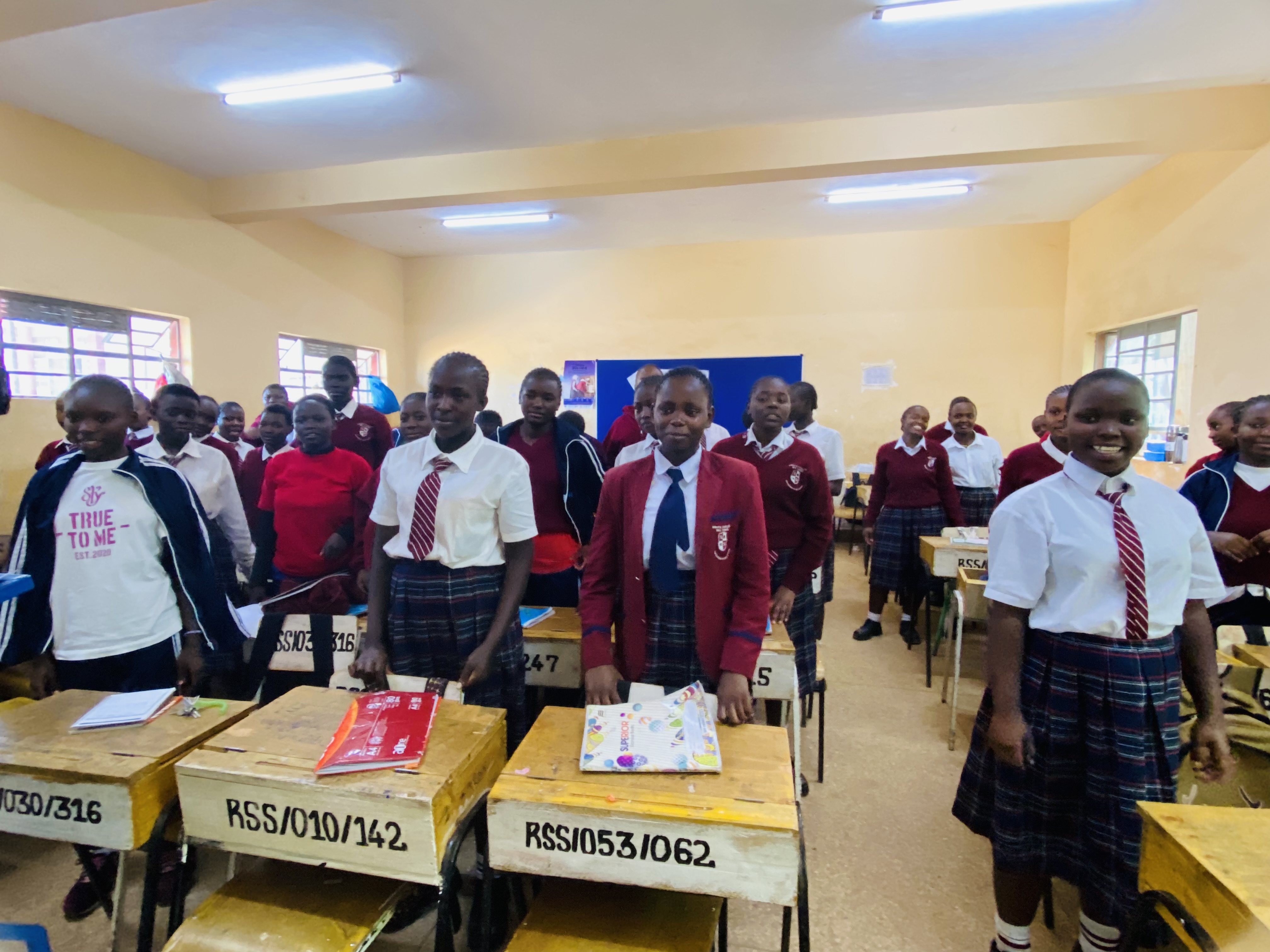
For many young Kenyan girls, getting their first period is an important milestone in growing up. However, without accurate information, supportive adults, adequate menstrual products and access to healthcare, menstruation can become a source of fear, embarrassment, stigma and missed opportunities.
In Kenya, most public primary schools lack menstrual health education and this topic is particularly important because girls may experience their first period while still in primary school. Some may have never been taught what menstruation is, how to manage it, or when menstrual pain and bleeding should be considered a reason to seek medical attention.
Menstruation is a natural biological process, but girls experience it differently. While some experience little discomfort, others may experience significant abdominal or pelvic pain, heavy bleeding, fatigue, nausea, headaches or emotional changes. The World Health Organization notes that severe or disruptive menstrual symptoms deserve attention because they can sometimes indicate an underlying health condition such as endometriosis.
Understanding Endometriosis from an Early Age
Endometriosis is a chronic condition in which tissue similar to the lining of the uterus grows outside the uterus. It can cause severe menstrual pain, chronic pelvic pain, heavy bleeding, abdominal symptoms and other difficulties. Importantly, symptoms can begin around the time of a girl's first periods and continue into adulthood.
This makes age-appropriate education especially important.
Girls should understand that severe menstrual pain is not something they should automatically be expected to tolerate in silence. A girl who regularly misses school because of her period, cannot participate in normal activities because of pain, experiences unusually heavy bleeding, or has persistent pelvic or abdominal pain should be encouraged to speak with a trusted adult and seek assessment from a qualified healthcare professional.
Research among adolescent girls has also shown a significant gap in knowledge about endometriosis. In one study, only a small proportion of girls could explain what endometriosis was, while most expressed an interest in learning more about it.
What Should Girls Learn?
A school-based menstrual health programme should go beyond teaching girls how to use sanitary pads. It should help them understand their bodies and recognize changes that may require medical attention.
Key areas of education should include:
1. What menstruation is and why it happens.
2. What a menstrual cycle is and how it can vary.
3. What symptoms are commonly experienced during menstruation.
4. How to maintain menstrual hygiene safely and with dignity.
5. How to manage menstrual discomfort using appropriate, age-sensitive approaches.
6. When menstrual pain or bleeding may be concerning.
7. The basic facts about endometriosis.
8. How to communicate menstrual health concerns to parents, guardians, teachers or healthcare workers.
9. Where girls can access appropriate health services.
10. How to challenge myths, shame and stigma surrounding menstruation.
Early Identification Is More Important Than Silence
One of the most important messages for young girls is that their pain matters.
A girl who experiences mild discomfort for a short period may simply be experiencing a common menstrual symptom. However, repeated or severe symptoms that interfere with school, sleep, social activities or daily life deserve further assessment.
Potential warning signs that should prompt discussion with a parent, guardian or healthcare professional include:
-Very painful periods that interfere with normal activities.
-Repeated absence from school because of menstrual pain.
-Persistent pelvic or lower abdominal pain.
-Pain that occurs outside the menstrual period.
-Very heavy or prolonged menstrual bleeding.
-Severe fatigue associated with menstruation.
-Recurrent nausea or gastrointestinal symptoms associated with the menstrual cycle.
-Symptoms that progressively become worse.
These symptoms do not automatically mean that a girl has endometriosis. Other medical conditions can cause similar symptoms. Their importance is that they should not simply be dismissed as something every girl must endure. The WHO states that a careful menstrual health history can contribute to the assessment of endometriosis, while clinical assessment and, where appropriate, imaging may be used by healthcare professionals.
The School as a Safe Space
Public primary schools can play a critical role in helping girls develop confidence in understanding and managing their menstrual health.
Teachers, school health clubs and designated safeguarding or health personnel can create safe spaces where girls can ask questions without fear of being laughed at or shamed.
Recent UNICEF-supported initiatives in Kenya demonstrate how school health clubs can provide spaces where pupils learn about menstruation, hygiene and adolescent development. Such programs also encourage boys to understand menstruation and support their female classmates rather than contribute to stigma or bullying.
This approach is important because menstrual health should not be treated as a “girls-only” issue. Boys can be educated, in an age-appropriate manner, about menstruation, respect, empathy and the importance of supporting their classmates.
From Awareness to Action
Educating young girls about menstruation and endometriosis is not simply a reproductive health initiative. It is an investment in education, dignity, confidence and the future of girls.
A girl who understands her menstrual cycle is better positioned to recognize when something is unusual